The Best Handgun Ammo for Self-Defense, Stopping Power, and Accuracy
Wondering why the right handgun ammo can make such a difference in your shooting experience? At its core, handgun ammunition is a self-contained cartridge that combines a primer, propellant powder, and a bullet inside a metal case, all working together to deliver reliable, repeatable ignition. The benefit of understanding this simple system is that you can choose loads that reduce recoil for easier control or select expanding bullets for more effective self-defense, all while ensuring your firearm cycles smoothly. Matching the cartridge to your specific handgun’s caliber is the first, most caring step toward confident and accurate shooting, letting you focus on skill rather than malfunctions.
Choosing the Right Cartridge for Your Sidearm
Choosing the right cartridge for your sidearm is the single most important decision for defensive reliability. The handgun ammo you select must balance stopping power against controllability, as a round you can’t shoot accurately is useless under pressure. For most compact carry guns, 9mm Luger offers an ideal sweet spot—ample capacity and manageable recoil—while .45 ACP delivers deeper penetration but with more muzzle flip. Always prioritize bullet weight and construction: a 124-grain jacketed hollow point expands reliably, but test your chosen load in your specific barrel to confirm flawless feeding and point-of-impact. Avoid magnum or +P loads in older or subcompact frames, as slide velocity can outpace the recoil spring, causing malfunctions. Ultimately, your cartridge must match your shooting strengths, not just marketing hype.
What Do the Numbers on the Box Mean for Real-World Performance?
The numbers on a handgun ammo box—bullet weight in grains and velocity in feet per second—directly dictate your real-world terminal performance. A 115-grain 9mm at 1,180 fps gives flat recoil and quick follow-up shots, but a 147-grain load at 950 fps penetrates deeper through barriers and heavy clothing. Velocity translates to energy on target; lower numbers mean less expansion, while higher numbers risk over-penetration in home defense. For carry, choose a weight that cycles reliably in your pistol https://specialtysportsandsupplyltd.com/ and check the box’s velocity rating to ensure it matches your barrel length—shorter barrels lose 50–100 fps, shifting impact and expansion. Ignore marketing, and read the numbers to predict how the round will behave in your actual firearm.
Box numbers are your only reliable predictor of expansion, penetration, and recoil before you fire a single 6.5x57R Ammo for Sale shot—match them to your barrel length and threat scenario.
9mm vs. .45 ACP vs. .380: Which One Fits Your Shooting Needs?
When choosing between 9mm, .45 ACP, and .380, your shooting needs hinge on three factors: recoil management, stopping power, and concealability. The 9mm offers a balanced compromise of capacity and control, making it ideal for high-volume practice and defensive use. The .45 ACP delivers heavier felt recoil and larger wound channels but limits magazine capacity and slows follow-up shots, suiting shooters prioritizing raw power over speed. The .380 lives in compact pocket pistols, trading velocity for minimal snag and easy carry, but its penetration and energy suffer against barriers. To decide:
- Assess your grip strength and tolerance for muzzle flip.
- Test each cartridge’s accuracy at 10 yards.
- Compare magazine capacities in similar-sized frames.
- Simulate concealed carry weight and printing.
Choose 9mm for versatility, .45 for terminal effect, .380 for ultimate portability.
How Barrel Length Affects the Ammunition You Should Pick
Barrel length dictates how much propellant burns before the bullet exits, directly influencing velocity and pressure. For short barrels (under 4 inches), choose ammunition with faster-burning powders, like compact defensive loads, to ensure reliable expansion despite lower speeds. Longer barrels (5+ inches) can handle heavier, slower-burning cartridges, maximizing energy from the extended dwell time. Barrel-specific velocity testing matters more than box ratings, as factory numbers often come from test barrels. When selecting:
- Match bullet weight to your barrel: lighter rounds retain velocity in short barrels, heavier ones stabilize in long barrels.
- Verify expansion data at your actual barrel length, not advertised muzzle velocity.
- Test different loads for point-of-impact shift, which varies with barrel timing.
This prevents over-penetration or underperformance .338 Lapua Ammo for Sale in your specific sidearm.

Understanding Bullet Construction and Terminal Effect
Bullet construction dictates how energy transfers in tissue. For handgun ammo, a jacketed hollow point (JHP) expands by peeling its jacket petals outward, increasing diameter and slowing penetration—this maximizes the permanent wound cavity. A full metal Ammunition for Sale jacket (FMJ) resists expansion, so it pokes a narrow hole, relying on deep penetration to strike vitals. Terminal effect is the result: expansion speed versus barrier performance. Too-soft lead cores clog in denim, causing failure to expand; bonded jackets retain weight, ensuring the bullet stays intact through glass or bone. Always match bullet design to your carry scenario—gel tests alone don’t predict real-world penetration through heavy clothing. Q&A: *Why does a JHP sometimes fail to expand from a short-barrel pistol?* Because lower muzzle velocity from a 3-inch barrel may not generate enough hydraulic pressure to force the hollow cavity open, so the bullet zips through like a FMJ. Overpenetration then becomes a liability, and terminal effect drops drastically.
Full Metal Jacket vs. Hollow Point: What’s the Difference in Practice?
In practice, the choice between FMJ and hollow point dictates penetration versus expansion. A Full Metal Jacket’s solid copper or gilding metal envelope prevents deformation, allowing it to punch through barriers like drywall or auto glass and maintain a straight, deep wound channel—ideal for range training or military-style shooting. A hollow point’s recessed nose, however, initiates hydraulic pressure on impact, causing the bullet to mushroom and shed velocity rapidly, which reduces over-penetration risk in home-defense scenarios. Consequently, FMJ yields reliable feeding in semi-automatics but risks collateral damage, while hollow points sacrifice barrier penetration for controlled tissue disruption. For carry, hollow points are standard; for practice, FMJ is economical and predictable.
FMJ penetrates and stays intact; hollow points expand and stop faster—choose based on terminal environment, not hype.
Which Bullet Weight Offers the Best Balance of Recoil and Stopping Power?
For most defensive handgun calibers, the best balance of recoil and stopping power typically falls in the middle of the weight spectrum—such as 124–135 grain in 9mm, 230 grain in .45 ACP, and 158 grain in .38 Spl. These weights provide adequate penetration and permanent cavity expansion while keeping muzzle flip manageable for rapid follow-up shots. Lighter bullets reduce recoil but often under-penetrate or fragment, especially through barriers; heavier bullets maximize tissue damage but slow slide cycling and increase felt recoil, hindering accuracy. The practical sweet spot is a bullet that reliably expands between 12–18 inches in gel while allowing you to keep all shots on target during stress.
- Mid-weight bullets (e.g., 124g 9mm) retain velocity for expansion without .35 Remington Ammo for Sale excessive snap.
- Heavier options (147g 9mm) recoil harder but punch deeper through heavy clothing.
- A recoil-spring tune may be needed for extreme weights, shifting .32 ACP Ammo for Sale the balance point.
- Test both mid and heavy loads for 6.5×55 Swedish Ammo for Sale your grip strength—your personal limit defines the true balance.
Penetration Depth: What to Expect From Different Projectile Designs
Penetration depth varies sharply with projectile design. Full metal jacket (FMJ) rounds, with their solid construction, typically penetrate 24–36 inches in ballistic gel, often exiting the target. Jacketed hollow points (JHP) expand upon impact, increasing drag and limiting depth to roughly 12–18 inches, which aligns with FBI standards for adequate tissue disruption. Bonded core bullets retain weight better, maintaining depth closer to 18 inches even through barriers, while non-bonded JHPs may fragment and under-penetrate to 10 inches. Flat-nosed lead semi-wadcutters create a clean puncture, reaching 16–20 inches without expansion. Barrier-interaction testing is critical for predicting real-world penetration depth because clothing, drywall, or auto glass alters expansion and thus final depth.
Q: What penetration depth should I expect from a lightweight, high-velocity JHP? Typically, lighter JHPs (e.g., 115-grain 9mm) penetrate less—around 11–13 inches—due to rapid expansion and energy loss, compared to heavier 147-grain loads reaching 14–16 inches. Always verify with gel tests from your chosen cartridge.
Matching the Load to Your Intended Use
The quiet afternoon at the range taught me more than any box label could. I had loaded my 9mm with light, flat-nosed rounds for paper punching, but when my buddy handed me his steel targets, the same ammo just clanged without tipping them over. That’s when I learned to match handgun ammo to your shooting purpose. For defensive carry, I now choose a bonded hollow point that expands reliably through clothing, while for competition, I run a lighter, faster load for snappier recoil recovery. Plinking with steel needs a harder, round-nose projectile to avoid shattering on impact. The real trick is realizing that one cartridge’s performance in your barrel changes with bullet weight, powder charge, and profile—so always test a few options against your actual target, not just the specs on the shelf. Your gun will tell you what it likes best.
What to Look for in Self-Defense Rounds for Concealed Carry
When picking self-defense rounds for concealed carry, prioritize reliable expansion at typical defensive velocities—you want a bullet that mushrooms consistently through heavy clothing without over-penetrating. Look for jacketed hollow points with proven track records, like Federal HST or Speer Gold Dot, in 124–147 grain for 9mm. Test them in your actual pistol to ensure flawless feeding and point-of-aim impact. Also, check that recoil stays manageable for fast follow-up shots—grain weight matters here. Consider barrier performance: rounds that plug up after passing through denim can underperform. Finally, confirm your carry ammo cycles reliably from a cold start, since that’s how you’ll use it in a crisis.
Selecting Affordable Practice Loads That Mimic Your Carry Ammo
To build true muscle memory, your practice rounds must replicate your carry ammo’s point of aim and recoil impulse—otherwise, your defensive skills quietly degrade. Start by selecting a budget-friendly FMJ load with the same bullet weight and similar muzzle velocity as your chosen hollow point. For instance, if you carry 124-grain +P JHP, train with a 124-grain +P FMJ, not a soft-shooting 115-grain standard pressure round. The slight difference in felt recoil becomes a flinch when you need it most. Also compare overall cartridge length, since seating depth affects feeding reliability in your specific firearm. Finally, verify that your practice load groups within an inch of your carry load at 7 yards before trusting it for drills.

How to Pick Low-Recoil Rounds for New Shooters or Small-Frame Pistols
For new shooters or compact pistols, prioritize reduced felt recoil by selecting lighter bullet weights, such as 115-grain in 9mm, which generate less muzzle flip than heavier loads. Verify the cartridge’s listed velocity; lower muzzle energy ratings translate to gentler push. Choose standard-pressure ammunition over +P or magnum variants, as these are engineered for softer cycling. Test a box of each candidate to confirm the slide cycles reliably without limp-wristing, and check for flat-nosed or frangible designs that reduce snap. Finally, inspect the firearm’s manual for minimum bullet-weight recommendations, since some subcompacts require heavier projectiles to function.
- Start with 115-grain 9mm or 158-grain .38 Special for mild push
- Look for “low recoil” or “training” labels on the box
- Test 20 rounds of each candidate for reliable slide lock-back
Reading Ballistics Data Without Getting Overwhelmed
The first time I held a box of handgun ammo, the side panel looked like a spreadsheet from hell. Muzzle velocity, energy, drop, wind drift—my eyes glazed over. But reading ballistics data becomes simple when you ignore the noise and focus on two numbers for your actual shooting distance. For defensive loads, that means checking muzzle velocity for consistent expansion and energy at 10 yards, since most self-defense encounters happen inside that range. The long-range drop columns are useless to me because a handgun’s trajectory is flat enough to ignore under 25 yards. I now skip every data row past 50 yards entirely, and instead compare only the first two columns across different cartridges. That single filter turns a wall of numbers into a quick yes-or-no decision—no headache, just a faster way to pick my next box.
Muzzle Velocity vs. Muzzle Energy: Which Number Actually Matters More?
When comparing **muzzle velocity vs. muzzle energy**, velocity tells you how fast the bullet travels, while energy (usually in foot-pounds) reflects the actual work it can do on target. For handgun ammo, energy matters more for defensive stopping power because it factors in bullet weight—a light, fast round can zip along but shed energy quickly in tissue. Velocity still matters for trajectory and flat shooting at distance, but inside 25 yards, energy is the practical number. A 9mm +P with 350 ft-lbs beats a .380 that’s fast but only delivers 200 ft-lbs. Focus on energy for self-defense, velocity for range accuracy.
Q: Which number actually matters more for a self-defense handgun?
A: Energy. It better predicts penetration and temporary cavity, so skip obsessing over velocity numbers and look at foot-pounds at the muzzle.
How to Compare Bullet Drop at Typical Handgun Engagement Distances
To compare bullet drop at typical handgun engagement distances—usually 3 to 25 yards—isolate the zeroing range first, since a 10-yard zero yields different drop values than a 25-yard zero. At 3–7 yards, most defensive loads rise marginally above the line .32 Win Special Ammo for Sale of sight, so focus on the first-inch rise rather than absolute drop. Between 10 and 25 yards, gravity becomes measurable, but the variance between loads is often less than one inch; therefore, compare the *actual drop in inches at 25 yards* rather than muzzle velocity, because a flatter trajectory here depends on ballistic coefficient and starting speed. For practical use, ask for a 25-yard drop chart and subtract your zero’s offset to see whether the bullet lands high or low at 15 yards—this tells you if you need to hold slightly under a target’s center.
Why Some Brands Perform Differently Even With the Same Grain Weight
Even with identical grain weight, a 115-grain 9mm from one maker can group six inches lower or generate 80 fps more than another. Bullet geometry and construction drive this divergence: a truncated cone changes feed ramp interaction and barrel dwell time, while a jacketed hollow point’s longer bearing surface increases friction and pressure. Powder burn rate—fast-burning for defensive loads, slow for target—plus case volume and primer sensitivity alter timing; a crimp tension difference of just 0.002 inches shifts velocity. Peak pressure curves differ, so recoil impulse feels snappier 6.5x57mm Mauser Ammo for Sale or smoother. Thus, the printed weight is a starting point, never a performance guarantee.
- Compare bullet length and shape (flat vs. round nose)
- Check powder type (spherical vs. flake)
- Measure actual velocity with a chronograph
Getting Reliable Feeding and Function From Your Firearm

Getting reliable feeding from your handgun starts with matching the ammo to the gun’s chamber and magazine geometry. A round that’s too long, like some defensive hollow points, can hang up on the feed ramp, so test your carry load for at least 200 rounds before trusting it. Use the correct bullet profile—flat-nosed or round-nosed ammo often feeds smoother than sharp-edged designs in certain barrels. Stick to factory ammo with consistent case lengths and crimps, as sloppy reloads are the number one cause of stovepipes and double-feeds. Also, keep your magazines clean and springs fresh, since weak springs mimic bad ammo and cause failures to lock back. Lubricate the slide rails lightly, but leave the chamber and feed ramp dry to let cases seat fully. You’ll often find that a gun that jams with one brand of ball ammo runs flawlessly with another, so don’t blame the pistol until you’ve tried a different box. Finally, shoot one round per magazine during your first test batch to isolate any feeding hiccup from a recoil spring issue.
How to Test a New Box of Rounds for Your Specific Pistol Model
Before trusting a fresh box of ammo at the range or for carry, run a reliability test specific to your pistol model. Start by loading just five rounds into a magazine, then chamber the first one manually using the slide release, not by slingshotting it. Fire those slowly, checking that each round picks up, seats, and extracts without hesitation. Next, load a full mag and shoot it rapid-fire to see if the feeding spring keeps up under speed. Finally, load one round, fire it, and lock the slide back—this confirms the last-round hold-open works with that cartridge’s exact length and rim profile. If any round fails, mark the box and note the lot number before trying another. Only trust a batch after 100 consecutive flawless cycles through your gun.
What Causes Misfires, Hang-fires, and How Proper Ammo Selection Prevents Them
Misfires and hang-fires stem from weak primer strikes, hard primers, or poor manufacturing—but often, it’s ammunition quality. A misfire is a complete failure to ignite; a hang-fire is a delayed ignition, a dangerous split-second that can cause you to break your firing stance prematurely. Choosing reliable handgun ammo prevents this by ensuring uniform primer sensitivity, correct seating depth, and consistent powder charges. Stick to reputable brands with sealed primers to resist moisture and oil contamination. Inspect rounds for deep-set primers or loose bullets before loading. Avoid old, corroded, or reloaded ammunition with unknown history.
**Q: What is the most common ammo-related cause of misfires?**
A: Hard primers that your firearm’s striker or hammer cannot reliably detonate, especially in subcompact pistols with lighter springs. Match your ammo’s primer hardness to your gun’s trigger mechanism.
Storing Your Stockpile: How to Preserve Primer and Powder Performance Over Time
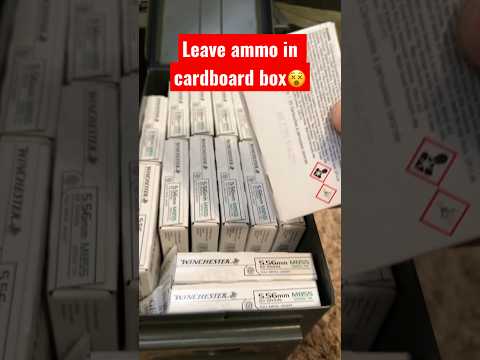
To keep your handgun ammo hitting hard years from now, consistent temperature and humidity control is your best friend. Store primers 6.8 SPC Ammo for Sale and powder in airtight ammo cans with desiccant packs, away from drastic swings that cause condensation. Heat accelerates powder degradation, so a cool, dark closet beats a hot garage every time. Rotate your stockpile—shoot the oldest rounds first and label boxes with purchase dates. Avoid leaving ammo in direct sunlight or near solvents, as fumes can seep through seals and weaken primer compounds. A simple moisture indicator inside your can tells you when to swap desiccants, preserving ignition reliability for that critical moment.